


Two Ways Into UK Study
The UK has two ways in for international students: a Bachelor's after Class 12, A-Levels or the IB, or a Master's once you hold a degree. What you've already finished decides which one is yours.
See both routesUniversities, courses, admissions, costs, and the Student visa, explained around the two routes students take: a Bachelor's after school, or a Master's after a degree.
Most consultancies work for universities. We work for families. We take no university commissions, so we build your shortlist around your profile, not who pays us.
Read more ▼Paid counselling. No university commissions. Officially verified shortlists.

The UK has two ways in for international students: a Bachelor's after Class 12, A-Levels or the IB, or a Master's once you hold a degree. What you've already finished decides which one is yours.
See both routesUniversities look at your certificate and your marks, not the country you live in. Each one sets its own bar for your board or degree, and Russell Group courses set it high.
Low marks or backlogs?B2 is the floor for your visa. Universities choose which tests they'll take, and the popular courses want IELTS 6.5 or even 7.0.
Check the English rulesBachelor's applications go through UCAS: five choices for £34.50, with most courses closing on January 13, 2027. For a Master's, you apply to each university directly.
How UCAS worksSeptember is the main intake and has the widest choice. January works for a smaller set of Master's programs, and May has only a handful.
Compare the intakesApplying on or after November 30, 2026? You'll show £1,570 a month for London, £1,203 anywhere else, for nine months, plus first-year tuition. It must sit untouched in your account for 28 days.
Plan the moneyGive yourself nine to fifteen months from your first counselling session to landing in the UK. Starting one intake early takes the pressure off everything else.
See the timelineApply for the Graduate visa from January 1, 2027 and you get 18 months to work or look for work after your degree, with no sponsor needed. PhD graduates get three years.
Life after graduationAmratpal has been publishing the honest version of studying abroad on YouTube since 2019, including the parts that cost him business. Watch it before you spend anything on applications.


Every student's story differs, and one person's result won't automatically be yours.
Start with the question every family asks first: is the UK worth the money? Four reasons students choose it.
A Bachelor's in England, Wales and Northern Ireland takes three years, and most taught Master's take twelve months. Fewer years means fewer years of fees and rent.
QS 2027 puts Imperial at #2, Oxford at #4, Cambridge at #6 and UCL at #8.
Degree students work up to 20 hours a week while classes run, and full-time over the official breaks.
Stay and work, or look for work, with no employer sponsoring you. Two years if you apply before January 1, 2027.

Here's the whole journey in eight steps. The page runs in the same sequence, so start at the top, or skip straight to where you are now.
 Which Pathway Can I Take?Bachelor's or Master'sStart hereWhich Course Should I Study?What each route asks
 Which University Should I Choose?Russell Group and beyond
 Do I Need IELTS?Which test, what score?
 When Should I Apply?September or January intake
 How Do I Apply?UCAS or directHow Much Will It Cost?Fees and living costsWhat Documents Do I Need?For the Student visa
The course you study in the UK depends on what you've finished. Still in school? Start with a Bachelor's. Have a degree, or in your final year? Pick a Master's.
If you're finishing school, start here.
You start this degree straight after school. Expect three years in England, Wales and Northern Ireland, four in Scotland. You apply on UCAS, and admissions teams weigh your predicted grades, subjects and personal statement.
Subjects matter more than students expect. No Mathematics, and engineering, economics or computer science gets much harder to reach. The UCAS personal statement changed for 2026 entry: it's now three short answers about why this course, how school prepared you, and what you've done beyond it. Oxford, Cambridge and medicine add tests and interviews.
If you already hold a Bachelor's degree, this route is for you.
The route for students who already hold a Bachelor's. Most taught Master's in the UK run for twelve months, which means one year of tuition and one year of rent. You apply directly to each university, not through UCAS.
An MBA is a Master's for people who already work, and most UK MBAs require several years of full-time experience. If you're coming straight from your degree, consider a Master's in Management, Finance, or Business Analytics instead. For some science, engineering, and technology subjects, you also need an ATAS certificate before your visa, depending on your subject and nationality.
Every university sets its own entry requirements for each board and each country, and they change over time. We check your profile against the rules in force when you actually apply.

A counsellor will connect with you shortly and check your marks, subjects and English score before you apply.
Request a Call BackWe call you back between 9:30 AM and 6:30 PM IST, Monday to Saturday.
The UK is still open to international students, but it now asks for more money and stronger proof. Most of the changes affect your visa and what happens after you graduate, not your university application. These rules apply if you apply from September 2026.
If you apply for the Graduate visa on or after January 1, 2027, you get 18 months to stay and work after a Bachelor's or Master's, not two years. PhD graduates still get three. Any Bachelor's starting in 2027, and any Master's starting from September 2026, finish after that date, so plan your job search around 18 months. GOV.UK: Graduate visa
 1
For visa applications from November 30, 2026, you show £1,570 a month for London or £1,203 a month elsewhere, for up to nine months, on top of your remaining tuition. Before that date, it's £1,529 and £1,171. GOV.UK: money you need
 2
The Student visa fee rose to £558 on April 8, 2026. The Immigration Health Surcharge stayed at £776 per year of your visa, and you pay the full amount when you apply. GOV.UK: health surcharge
 3
From June 1, 2026, a university keeps its license to sponsor students only if fewer than 5% of its students' visas are refused, down from 10%. So universities now check your documents, funds and reasons for studying far more carefully before they issue a CAS.
You still work up to 20 hours a week during term on a degree-level course. Bachelor's and taught Master's students still don't bring family members on a Student visa. And your visa is an eVisa: a digital status linked to your UKVI account, not a sticker or card.
Short answer: Often, yes, with the right shortlist. UK universities set their own entry bar for each board and each country, so a lower score narrows your list rather than closing the UK.
Short answer: Yes, for most one-year Master's. A UK Bachelor's is also three years long, so UK universities accept a recognized three-year degree.
Short answer: Use two official lists on GOV.UK. The first shows which institutions award recognized UK degrees. The second, the register of licensed Student sponsors, shows who is allowed to issue your CAS.
You know your route. The next question is where to study it. Start with the three kinds of university, then the names.

24 research-intensive universities, including Oxford, Cambridge, Imperial and LSE. Strong reputations and strong competition for places.
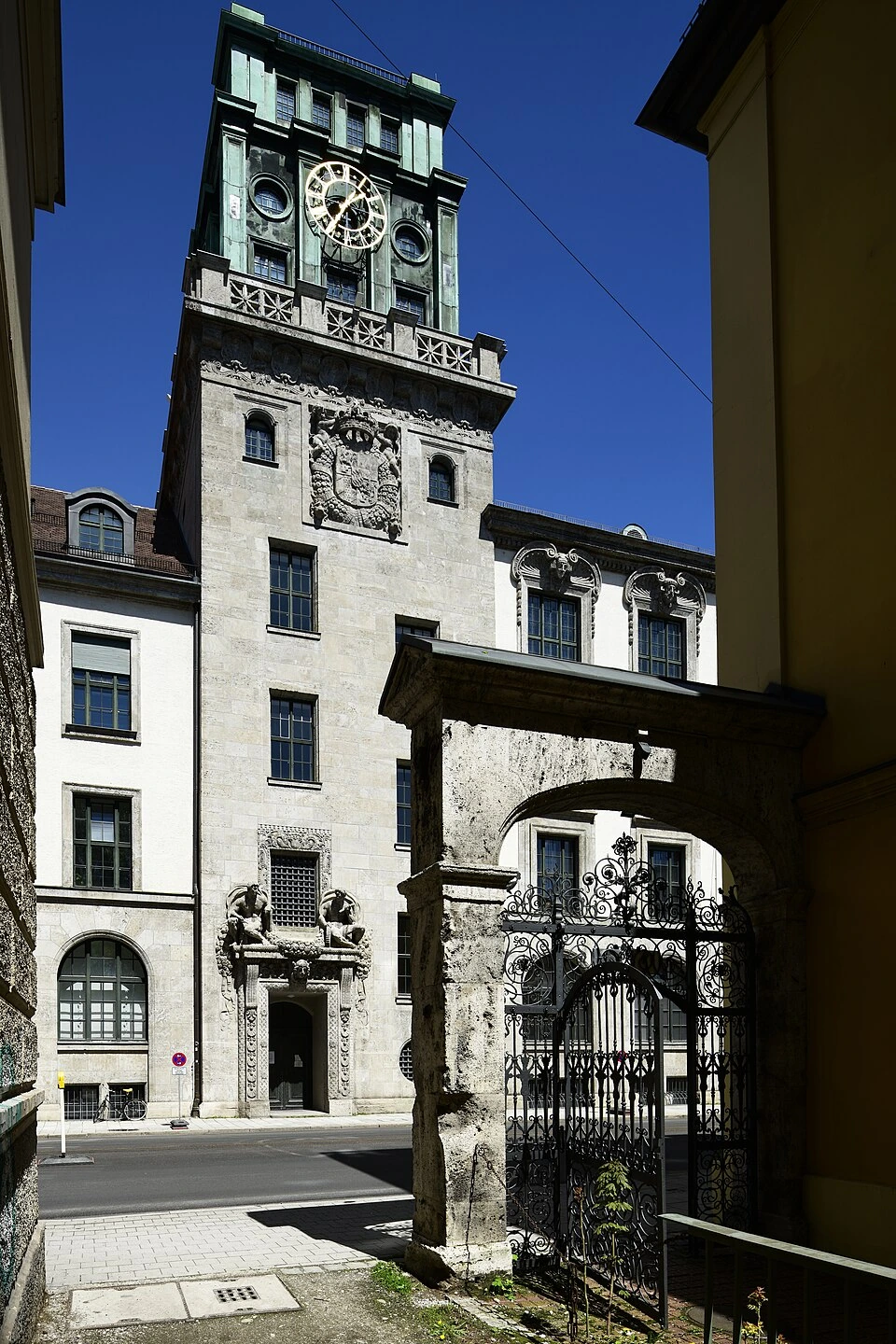
Universities that gained university status from 1992 onward. Practical teaching, placement years and industry links, often with lower fees.

Smaller universities built around one field, such as art and design, music, business or veterinary science.
The UK's ten highest-ranked universities in the QS World University Rankings 2027 are all Russell Group members. Rankings measure research and reputation. They don't measure whether a course fits you.
| No. | QS 2027 (World) | University | City | Popular Fields | Official Website |
|---|---|---|---|---|---|
| 1 | #2 | Imperial College London | London | Engineering, Medicine, Computing, Business | Official site ↗ |
| 2 | #4 | University of Oxford | Oxford | PPE, Law, Medicine, Computer Science | Official site ↗ |
| 3 | #6 | University of Cambridge | Cambridge | Natural Sciences, Engineering, Mathematics, Economics | Official site ↗ |
| 4 | #8 | UCL (University College London) | London | Architecture, Medicine, Computer Science, Education | Official site ↗ |
| 5 | #35 | University of Edinburgh | Edinburgh | Informatics, AI, Medicine, Veterinary Science | Official site ↗ |
| 6 | #37 | King's College London | London | Law, Health Sciences, War Studies, Business | Official site ↗ |
| 7 | #40 | University of Manchester | Manchester | Engineering, Business, Computer Science, Materials | Official site ↗ |
| 8 | #57 | University of Bristol | Bristol | Engineering, Economics, Law, Aerospace | Official site ↗ |
| 9 | #62 | London School of Economics (LSE) | London | Economics, Finance, Politics, Law | Official site ↗ |
| 10 | #68 | University of Warwick | Coventry | Business, Economics, Mathematics, Engineering | Official site ↗ |
All 24 members of the Russell Group, ranked by QS 2027 position, with city, popular fields, and official websites.
Download the Russell Group ListThis is not a ranking. These universities sit outside the Russell Group and are known for specific fields, placement years, or teaching. St Andrews and Bath both rank among the UK's 20 highest in QS 2027. We recommend them when your course and career point there, not because of a name.
| No. | University | City | Known For | Official Website |
|---|---|---|---|---|
| 1 | University of St Andrews | St Andrews | International Relations, Economics, Sciences | Official site ↗ |
| 2 | University of Bath | Bath | Engineering, Management, Architecture; placement years | Official site ↗ |
| 3 | Lancaster University | Lancaster | Management, Data Science, Physics | Official site ↗ |
| 4 | Loughborough University | Loughborough | Sports Science, Engineering, Design | Official site ↗ |
| 5 | University of Surrey | Guildford | Engineering, Hospitality, Veterinary; placement years | Official site ↗ |
| 6 | University of Strathclyde | Glasgow | Engineering, Business | Official site ↗ |
| 7 | University of Aberdeen | Aberdeen | Energy, Medicine, Law | Official site ↗ |
| 8 | Heriot-Watt University | Edinburgh | Petroleum Engineering, Actuarial Science | Official site ↗ |
| 9 | University of Reading | Reading | Business (Henley), Meteorology, Real Estate | Official site ↗ |
| 10 | University of Sussex | Brighton | Development Studies, Media, Life Sciences | Official site ↗ |
All 136 universities and institutions outside the group, by nation and type, with QS 2027 positions where ranked and official websites.
Download the Full ListWhat should I ask before I pay a private college? "Whose degree will I receive, and is that university on GOV.UK's list of recognized bodies?" Some private colleges in the UK teach a partner university's degree, and the answer changes how employers and other universities read your certificate.
Your city shapes your rent, your part-time work and your first job, so it deserves as much thought as the university. QS ranks 150 student cities worldwide, and the UK has more of them than any other country: 16 in the QS Best Student Cities 2027. These nine sit in the global top 50.
| No. | QS 2027 (World) | City | Overall Score | Affordability Score | Universities on Our Lists |
|---|---|---|---|---|---|
| 1 | #3 | London | 97.3 | 14.4 | Imperial, UCL, King's College London, LSE, Queen Mary |
| 2 | #13 | Edinburgh | 89.1 | 21.9 | University of Edinburgh, Heriot-Watt |
| 3 | #31 | Glasgow | 82.7 | 19.2 | University of Glasgow, Strathclyde |
| 4 | #40 | Manchester | 80.0 | 17.6 | University of Manchester |
| 5 | #43 | Newcastle upon Tyne | 79.5 | 25.0 | Newcastle University |
| 6 | #45 | Coventry | 76.8 | 25.0 | University of Warwick |
| 7 | #48 | Nottingham | 74.3 | 27.8 | University of Nottingham |
| 8 | #49 | Leeds | 74.2 | 24.1 | University of Leeds |
| 9 | #50 | Bristol | 74.1 | 16.5 | University of Bristol |
How do I read the affordability score? Higher means easier on a student budget. London's 14.4 is the lowest of the nine, which matches what the visa rules already tell you: £1,570 a month for London against £1,203 elsewhere. The overall score also weighs university strength, what current students say, employer activity and how much students want to live there.
UK degrees are taught in English, so your English score matters twice: once for your admission and again for your visa.
| Your Situation | What You Need |
|---|---|
| Bachelor's or Master's at a university | English at B2 level for the visa. Each university decides which tests it accepts, such as IELTS Academic, TOEFL iBT, PTE Academic, or others on its list. |
| Competitive programs | A higher score than the visa minimum. Many universities ask for an overall IELTS score of 6.5 or 7.0, plus a minimum score in each section. |
| Pre-sessional English course | An IELTS for UKVI or another Secure English Language Test, at the level the course sets. |
| Strong Class 12 English marks | Some universities accept high Class 12 English marks from certain boards instead of a test. The course's English page tells you. |
Book your test early enough to take it twice. A score half a band short keeps a conditional offer conditional, and a retake costs you weeks.
With a route, a shortlist and an English plan, the next question is timing.
| Intake | Course Starts | Bachelor's | Master's |
|---|---|---|---|
| September Intake | Late September or October | Through UCAS by January 13, 2027 (October 15, 2026 for Oxford, Cambridge and medicine) | Rolling admissions; popular programs fill by spring |
| January Intake | January or February | A small number of courses | A good choice of programs, fewer than in September |
| May Intake | May | Very few courses | A small number of programs at some universities |
September has the widest choice by far. Master's admissions run on a rolling basis, so popular courses fill before their published deadline. Start planning twelve to eighteen months before your intake.
Short answer: Plan on nine to fifteen months from your first session to landing in the UK.
Here's how those months turn into an application, from checking your route to collecting your eVisa.

Bachelor's through UCAS or a Master's direct, decided by what you hold today.

Public First. Officially Verified. Profile Aligned.

You'll need your transcripts, a personal statement or statement of purpose (SOP), references, and your English test score.

UCAS for a Bachelor's, with up to five choices. Use each university's portal for a Master's.

Meet your offer conditions, pay the deposit, and your university issues your CAS.

28 days of funds, the health surcharge, biometrics, then your eVisa.
Short answer: UCAS is the central service for Bachelor's applications in the UK. You need it for a Bachelor's. For most Master's, you apply directly to each university.
An offer letter comes with costs. Here's what to budget, including the proof of funds your visa needs.
| Cost Category | Approximate Cost |
|---|---|
| Bachelor's tuition | About £11,400–£38,000 a year; more for medicine and some Oxford and Cambridge courses |
| Master's tuition | Roughly £15,000–£45,000 for most one-year programs; MBAs cost more |
| Living funds the visa asks you to show | £1,570 a month in London or £1,203 elsewhere, for up to 9 months (visa applications from November 30, 2026) |
| Immigration Health Surcharge | £776 for each year of your visa, paid in full when you apply |
| Student visa fee | £558 |
| UCAS application (Bachelor's only) | £34.50 for 2027 entry |
These are university, government, and living costs in the UK, not AAV's service fee, which is shown separately in your local currency.
Interactive toolUK Cost & Proof of Funds Calculator. Enter your offer letter details.Work out my costs → Interactive toolEducation Loan EMI Calculator. Planning to finance this? See your monthly EMI.Calculate my EMI →With an offer and funds in place, the last step before you fly is the Student visa.
You apply once your university issues your CAS (Confirmation of Acceptance for Studies). The core of the application: your CAS, a valid passport, proof of funds held for 28 days in a row, your English evidence, the Immigration Health Surcharge, and a TB test certificate if you're applying from a country on the TB list. You apply up to six months before your course starts, and UKVI aims to decide within about three weeks. GOV.UK: Student visa






UKVI decides visas, not AAV. We prepare the strongest possible application.
A counsellor will connect with you shortly and check your CAS, funds and documents before you apply.
Request a Call BackWe call you back between 9:30 AM and 6:30 PM IST, Monday to Saturday.
The degree is the start. Here's what it opens up once you graduate.
 Job Search
For applications from January 1, 2027. Work, or look for work, with no sponsor. PhD graduates get three years.
 Next Visa
Switch with an employer licensed to sponsor you. The general salary threshold is £41,700 a year, with lower rates for new entrants.
 Cost
Plus the health surcharge. You apply from inside the UK, before your Student visa ends.
 Settlement
 after five years on a Skilled Worker visa is the current rule. A ten-year baseline has been proposed, with no final rules published yet.
Short answer: No, not on a Bachelor's or a taught Master's. Since January 2024, only PhD or research Master's students, and government-sponsored students on courses longer than six months, bring family members on the Student route. GOV.UK: family members
You've seen all eight steps. Now run your own numbers before you speak to us, and bring the results to your session.
Enter your tuition and pick London or elsewhere. See your full first-year budget, including the visa fee and health surcharge.
What I get: My first-year budget
Work Out My CostsSee the exact funds your visa asks for: remaining tuition plus nine months of living costs, held for 28 days.
What I get: My proof-of-funds figure
Check My FundsEnter a loan amount, interest rate and term, and see the monthly EMI before you speak to a bank.
What I get: My monthly EMI
Calculate My EMIPick your level, where you'll study and your university, then add the fee from your offer letter. You'll see your first-year budget and the money your visa asks you to show.
Change any number to match your offer letter. Both totals update as you type.
35 universities in London that offer Bachelor’s programs.
Use the fee on your offer letter. International Bachelor's fees run from about £11,400 to £38,000 a year. The starting figure is an example, not an average.
The starting figure is the visa's London rate, £1,570 a month. It's a legal minimum, not a promise of what you'll spend.
A three-year Bachelor's visa runs for about 3 years and 4 months: 3 × £776 + £388 = £2,716, paid when you apply.
Plan every step above yourself if you prefer. If you'd like someone to plan it with you, here's how we work and who pays us.
Most consultancies work for universities. We work for families. Our fee is the only money we earn, so our advice is built around your profile, not around who pays us.

| What matters | Amratpal A Vision | Commission-based consultancy |
|---|---|---|
| Who pays them | You, the family. We take no commissions from universities. | Often the university, as a commission for each student placed. |
| University shortlisting | Public First. Officially Verified. Profile Aligned. We check every university on GOV.UK's official lists before it reaches you. | The list often leans toward partner universities that pay a commission. |
| Proof of funds | Planned against the rules in force on your application date, including the November 30, 2026 increase. | Varies. Ask which funds figure they're using, and from which date. |
| Talking to real students | Book a one-to-one call with an Amratpal A Vision student already studying abroad, before you decide. | Rarely offered. |
| First-hand experience abroad | Our founder moved abroad to study at eighteen, and built this practice around what he wished he'd had. | Varies. Ask whether your counsellor has studied or lived abroad. |
| An honest "no" | We tell you when a route, a university or a timeline isn't right for you. | Less reason to say no when income depends on placement. |
This compares two business models, not any named company. Universities decide admission and UKVI decides visas; no consultancy is able to promise either.

In 2010, I moved abroad at eighteen to study Environmental and Resource Management at BTU Cottbus in Germany.
I trusted the wrong consultant first and paid for it. Amratpal A Vision is the consultancy I wish had existed back then. I didn't study in the UK, and I won't pretend otherwise. What I bring to your UK plan is the same discipline I'd want for my own family: verified universities, honest numbers, and a clear no when a route is wrong for you.
If a university is wrong for you, I will say so. That is exactly what you are paying me for.Amratpal Singh Sohal · Founder & Director
Recognition from institutions and industry bodies we work with in international education.

Industry accreditation for international student recruitment agencies.
Award from the Internationales Studienkolleg at the University of Paderborn.
Recognition from ISM Germany.
Recognition for supporting students relocating to Germany.

Accreditation for the Freshman Institute's English-taught foundation year.
See how our students went from profile evaluation and route planning to admission, visa, and studying in the UK.
Use an approved student story that shows the path from Class 12, A-Levels or the IB through UCAS to a UK Bachelor's.
STUDENT NAME · UNIVERSITY · COURSE · INTAKE
Use an approved Master's story that shows how the right course match and a strong personal statement led to the right university.
STUDENT NAME · UNIVERSITY · COURSE · INTAKE
Use an approved visa story that shows the journey after the offer letter, including the CAS, proof of funds and getting ready for the UK.
STUDENT NAME · UNIVERSITY · OUTCOME · INTAKE
Your total cost comes from three things: tuition, living costs, and visa fees.
Tuition: A Bachelor's costs about £11,400 to £38,000 a year. Most one-year Master's programs cost about £15,000 to £45,000.
Living costs: For your visa, you must show funds for up to nine months of living costs. For applications from November 30, 2026, that's £1,570 a month in London (£14,130 in total) or £1,203 a month elsewhere (£10,827 in total).
Visa fees: You pay a £558 visa fee, plus a £776 health surcharge for each year of your visa.
Your exact total depends on your course, your university, and the city you live in.
You need to show two amounts: the first-year tuition you still owe and nine months of living costs.
Tuition: This is your first-year fee minus anything you've already paid to the university.
Living costs: For applications from November 30, 2026, you need £14,130 if you study in London, or £10,827 if you study anywhere else in the UK.
How to show it: The money has to stay in an accepted account for 28 days in a row. Your bank statement must be no more than 31 days old on the day you apply.
Yes, for most programs. A UK Bachelor's takes three years; your grades and subjects determine which universities are a good fit.
Yes. On a degree-level course, you work up to 20 hours a week during term time and full-time during official vacations.
18 months for Bachelor's and Master's graduates who apply on or after January 1, 2027, and two years for anyone who applies before that date. PhD graduates get three years.
Only if you're a postgraduate research student on a PhD or research Master's, or a government-sponsored student on a course longer than six months. Bachelor's and taught Master's students, including MBA students, don't bring dependants on the Student route.
A Confirmation of Acceptance for Studies (CAS) is an electronic reference your university issues once you've met your offer conditions and accepted your place. Your Student visa application depends on it, and only a licensed Student sponsor issues one.
October 15, 2026 at 6 p.m. UK time for Oxford, Cambridge, and most medicine, dentistry, and veterinary courses, and January 13, 2027 at 6 p.m. UK time for most other courses.
September gives you the widest choice of courses. January suits Master's students who need a few extra months to prepare, and May offers a smaller selection of programs.
Only if your school qualification or marks fall short of a university's direct-entry bar. Many Class 12, A-Level and IB students go straight into a Bachelor's.
Oxford, Cambridge, Imperial, UCL, LSE, King's College London, Edinburgh, Manchester, Bristol, and Warwick.
London, at 3rd in the world in the QS Best Student Cities 2027. Edinburgh comes next at 13th, followed by Glasgow (31st) and Manchester (40th). Nine UK cities sit in the global top 50, and the UK has 16 ranked cities in total, more than any other country.
For most UK MBAs, yes: several years of full-time work. Fresh graduates look at a one-year Master's in Management or a similar program instead.
UKVI aims to decide applications made outside the UK within about three weeks. You apply up to six months before your course starts, so there's no reason to leave it late.
Yes, both. We guide you through course and university selection, UCAS or direct applications, your English test, the CAS, proof of funds and the Student visa.
Every university passes three checks: Public First. Officially Verified. Profile Aligned. We also check each one on GOV.UK's lists of recognized degree-awarding bodies and licensed Student sponsors before it reaches your shortlist.
Yes. We check every document against your CAS, confirm your funds meet the 28-day rule, match your details across every form, run mock credibility interviews and book your ATAS and TB certificates on time. UKVI makes the final decision; we make your application as strong as it gets.
Yes, and before you spend money on applications. If your marks are short for a course, a university is wrong for you, or your timeline won't work, we say so.
Yes. Book a one-to-one call with an Amratpal A Vision student who's already studying abroad, and hear it from someone living it.
We have offices in Ahmedabad, Dubai and Berlin, and we counsel students for eight study destinations. Our founder, Amratpal Singh Sohal, moved abroad at eighteen to study at BTU Cottbus in Germany.
No, and no honest consultancy does. Universities decide admission and UKVI decides the visa. We commit to the strongest possible application.
Because universities pay the ones that charge nothing per student placed; you pay us. That's why we tell you when your marks are short, or when a university on your list isn't worth the money.
Most consultancies work for universities. We work for families, which is exactly why our UK shortlist is honest. Public First. Officially Verified. Profile Aligned.