








































Universities (Universitäten)
Research-led
Universities (Universität)
Theory and research across Bachelor's, Master's, and doctoral programs. The route to choose if you plan to pursue a PhD.
Study in Germany: The Complete 2027 Guide
Universities, courses, admissions, costs, and the student visa, explained through the four routes students take: Studienkolleg, Bachelor’s, Master’s, and MBBS.
We start with you, not a university list. Your marks, goals, and budget shape every option we suggest, so your route fits you, not someone else.
Compared with other consultants, we are one of the largest pathway providers in the industry. We go deep into complex cases and work harder to help you secure your future in Germany.
Germany isn’t just a study abroad destination to us. We know it firsthand. With our founder’s journey beginning there in 2010 and visits to 50+ German universities, we guide you from university selection to visa, APS, and financial planning.

Select what you have now.
The Complete 2027 Guide
Tap what you have now.
This is a quick guide. A counsellor will check your exact profile.


Every required document, checked before you submit.
Your blocked account, set up correctly before you apply.

Your course choice and career reasoning, in your own words.

Verification and university recognition, confirmed early.

Your VFS or German mission appointment, reviewed with you.

Mock interviews so you answer clearly and consistently.


COMMON QUESTIONS
Mostly, yes, at public universities. The exceptions are Baden-Württemberg, where non-EU students pay €1,500 a semester, and TUM. You still pay a semester contribution and your living costs.
You've really got four paths to choose from: Studienkolleg, a Bachelor's, a Master's, or Human Medicine, which most people just call MBBS. And which one you start with comes down entirely to the certificate you're already holding.
Technically, Germany doesn't have an MBBS, instead, public universities teach Human Medicine, entirely in German. It takes 6 years and 3 months, wrapping up with the State Examination. You'll need excellent grades and C1-level German to get there, and most international students start out through the Studienkolleg M-Kurs.
If you're going for an English-taught program, yes. But step outside the classroom, and German starts to matter, for daily life, side jobs, and getting hired once you graduate. And a couple of routes, Studienkolleg and Human Medicine, are German-only; no way around it.
Only if your program requires it; each one sets its own accepted tests and scores.
APS verifies certificates from India, China, and Vietnam. Indian students need it at both Bachelor's and Master's level, so start early.
The dMAT (digital Master Test) is an aptitude test run by g.a.s.t. From the Summer Semester 2027 Master's intake, it is part of the APS documents for Indian applicants whose Bachelor's is in certain subject groups. It is not pass/fail, and it does not replace Anabin recognition.
€11,904 for one year, the amount in force in 2026. Once you arrive, you receive €992 a month.
Yes, within your residence permit: up to 140 full days or 280 half days a year.
No, and no honest consultancy does. Universities decide admission and the embassy decides the visa. We commit to the strongest possible application.
Because the ones that charge nothing are paid by universities, per student placed. You pay ours. That is why we tell you when your marks are short, or when a university on your list isn't worth the money.
40-Second Read

01 / 08
Germany has four ways in for international students: Studienkolleg + Bachelor's, a direct Bachelor's, MBBS/Medicine, or a Master's. Which one fits you depends on what you have studied so far.
See all four routes →From Our Founder
Every student featured here has given written consent to share their story. And as always, individual results vary: past outcomes are shared to give you a sense of what's possible, not a promise of the same result for everyone.


The Case for Germany
Every family asks the same first question: is Germany worth it? Four reasons students pick it.

Rankings
TUM, LMU Munich, Heidelberg University and Freie Universität Berlin sit in the QS global top 100.
Cost
A few exceptions: Baden-Württemberg charges non-EU students €1,500 per semester, and TUM also charges them. Everyone pays a semester contribution.
Work
Your student residence permit allows 140 full days or 280 half days of work a year.
After Graduation
Eligible graduates get up to 18 months to find a job in their field and are allowed to work during that time.
Your Germany Plan
Eight steps, in the order you'll take them. Read straight through, or skip to the step you're on now.
Which Pathway Can I Take?
Studienkolleg, Bachelor's, Master's, MBBS
Which Course Should I Study?
Popular subject areas
Which University Should I Choose?
Public, private, or TU9
Do I Need to Learn German?
How much German is enough
When Should I Apply?
Winter or summer intake
How Do I Apply?
The application steps
How Much Will It Cost?
Fees and living costs
What Documents Do I Need?
For the student visa
Step 1 · Which Pathway Can I Take?
How you get into Germany comes down to one thing: the certificate in your hand right now. There are four main routes. Find yours below.
ROUTE 1
Your school certificate isn't enough for direct entry? Then you'll do Studienkolleg first, pass its final exam, and move on to your Bachelor's.
ROUTE 2
Have A-Levels, the full IB Diploma, or a similar certificate? Then you skip the preparatory course and apply straight to a Bachelor's program at a German university.
ROUTE 3
For future doctors. Classes are in German, the course runs 6 years and 3 months, and places are hard to win. You need top grades and German at C1 before you apply.
ROUTE 4
Already have a recognized Bachelor's? Then the subjects and credits on your transcript decide which Master's programs suit you. Most programs run for two years, taught in English or German.
ROUTE 1 · PREPARATORY YEAR (STUDIENKOLLEG + BACHELOR'S)
If your school certificate doesn't give direct entry to a Bachelor's, this is where you start.
Studienkolleg is a preparatory course that prepares you for a German Bachelor's when your school certificate isn't enough for direct entry. It is the common first step for students from India, Pakistan, Bangladesh, Nepal, China, Vietnam, and some Gulf countries.
Students whose school qualification is recognized for preparatory study but not for direct entry
Indian board students with 70%+ in Class 12, no prior university study
Students with a US high school diploma, SABIS, BTEC, or another 12-year curriculum
German comes first. On paper, B1 is enough. In practice, most public Studienkollegs want B2, so set your sights there. After that comes the entrance exam (Aufnahmeprüfung) and choosing the stream that fits your degree.
Duration
2 semesters (9 months)
Language
German
Entry
Aufnahmeprüfung at public Studienkollegs
Ends with
The FSP, recognized across Germany
Tuition
None at public Studienkollegs
Interactive tool
Not sure if you need Studienkolleg?

Four questions show your route and focus course.
Full Guide
Focus courses, the Aufnahmeprüfung, the FSP, and costs. The full route in one guide.
Route 2 · After Class 12
If your school certificate is accepted directly, you skip the preparatory course and start here.
Duration
6 to 8 semesters (3 to 4 years)
Language
Mostly German; English-taught options exist
Entry
Direct, or after Studienkolleg
Tuition
None at most public universities
The first university qualification after school. Whether you enter directly depends on your school-leaving qualification. If it isn't recognized for direct entry, Studienkolleg closes the gap.
A-Level students with at least three independent A-Levels at grade C or better
IB students with the full Diploma, with six subjects and at least 24 points
Indian board students with 70% in Class 12 plus one year of a recognized Bachelor's, or with a JEE Advanced rank and at least 70% in Class 12
German-taught programs: you'll show your German level through TestDaF, DSH, or similar.
English-taught programs: your English matters. Most need no German for admission.
IELTS: accepted by most English-taught programs, but every program picks its own minimum score.
TestAS: an aptitude test some universities require and others recommend.
APS certificate: required if your school certificate is from India.
Interactive tool
German Grade Calculator
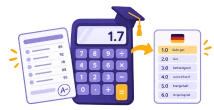
Convert your Class XII marks into a German grade.
Full Guide
Check whether your board, marks, and subjects give you direct entry.
Route 3 · Medicine
If medicine is your goal, the route works differently from every other course.
Germany has no MBBS degree. Public universities teach Human Medicine (Humanmedizin) in German and end with the State Examination (Staatsexamen). It's the hardest route to get into.
Top grades, around 90% in Class 12, three A*s at A-Level, or 42+ IB points
German at C1 level
For most international students, the Studienkolleg M-Kurs before applying
Good grades alone won't get you in. Starting German from zero? Expect years of learning before you're ready to apply. If this route doesn't fit your profile, we'll tell you early.
Duration
6 years and 3 months
Language
German
Entry
Directly, or after the Studienkolleg M-Kurs
Ends with
The State Examination (Staatsexamen)
Tuition
Highly competitive; extra criteria by university
Interactive tool
Studienkolleg Eligibility Tool

Check whether your route to medicine runs through the M-Kurs.
Full Guide
The honest picture of Human Medicine in Germany, before you spend years in Germany.
ROUTE 4 · AFTER A DEGREE
If you already hold a Bachelor's degree, your route runs here.
The most popular route for students continuing after a recognized Bachelor's. How closely your previous degree matches the program decides it, and every university sets its own bar.
Anabin recognition of your university and degree
A subject and credit (ECTS) match with the program
Your grades, English or German level, and any program-specific tests
You need an APS certificate. From the Summer Semester 2027 intake, if your Bachelor's is in certain subjects, the dMAT (digital Master Test) is included in your APS documents. There's no pass or fail, and it doesn't replace Anabin recognition.
Duration
2 to 4 semesters; most run 4
Language
English or German, by program
A recognized Bachelor's degree that matches the program
Entry
Key document
APS, and the dMAT where it applies
Tuition
None at most public universities; some states and universities charge non-EU students
Interactive tool
dMAT Eligibility Tool

See whether the dMAT applies to your degree.
Full Guide
APS, Anabin, ECTS and the dMAT. Know where you stand before you apply.

Each university has its own entry rules, and those rules change. We check your profile against the ones in place when you actually apply.
A counsellor will connect with you shortly and help you choose the right route, from shortlist to visa.
We call you back between 9:30 AM and 6:30 PM IST, Monday to Saturday.
SPECIAL SECTION · FOR INDIAN BOARD STUDENTS
One set of rules applies only to Indian board students. Read it before you plan any of the routes above: the 70% rule for a Bachelor's, and the APS for every Indian academic document.
You have 70% or more in Class 12. You learn German, write the Aufnahmeprüfung, do the Studienkolleg, pass the FSP, and start your Bachelor's.

You have 70% in Class 12 and one year of a Bachelor's in India with a good percentage. That makes you eligible to apply for a direct Bachelor's, with no Studienkolleg.

You cleared Mains and Advanced and hold a rank in Advanced. Then you apply for a direct Bachelor's regardless of category, with a minimum of 70% in Class 12, without doing a Studienkolleg.

If you are from India, you need 70% in Class 12 to go to Germany for a Bachelor's. Without 70%, you will not get the APS. Without the APS, a German Bachelor's is closed to you. This minimum applies to Indian board students only. It is not a global rule. The APS itself applies to students from India, China, and Vietnam.
Your Class 10 and Class 12 documents are verified by APS India in New Delhi, not in Dubai and not elsewhere in the Gulf. Families in the UAE often get this wrong and lose weeks. Master's applicants with Indian degrees need the APS too, and from the Summer Semester 2027 intake, the dMAT is part of the APS documents for certain subject groups.

Short answer: Sometimes. There is no universal cut-off for Germany, but one rule is fixed for Indian board students: 70% in Class 12 for the Bachelor's routes.
Bachelor's: below 70% in Class 12, the APS routes to a German Bachelor's are closed. Completing a full Bachelor's in India and then applying for a Master's is a different route, and this rule doesn't apply in the same way.
Backlogs: cleared backlogs matter less than the subjects and credits on your final transcript.
Master's: each university sets its own grade requirement. A lower percentage narrows your list of universities rather than closing it. For the strongest chances, we recommend a German grade of 2.5 or better.
We check this honestly before you spend money on applications.

Short answer: It depends on the university and program. Some accept a recognized three-year degree as is. Others ask for specific credits or four years of study.
Your transcript decides it, case by case: your subjects, your credits (ECTS), and your university's Anabin status.
Indian degree holders also need the APS, and from the Summer Semester 2027 intake, some need the dMAT.
Two programs at the same university sometimes answer this differently, so read each program's admission rules.

Short answer: Anabin is Germany's official database that tells you if a foreign university and its degrees are recognized there. The ZAB (Central Office for Foreign Education) runs it for the KMK, Germany's conference of education ministers.
H+ means the institution is recognized in Germany. H+/- means recognition depends on the case, and H- means it is not recognized.
This is the "Anabin Verified" in our method: every university on your shortlist is checked before it reaches you.
Universities check recognition when they assess your application, so a Master's plan starts here.
Step 2 · Which Course Should I Study?
You know your pathway. Now pick a subject. Engineering, computer science, business, data science, life sciences: German universities teach them all with close ties to industry. Plenty of courses build in internships, lab projects, or a practical semester.
Full Guide
Engineering, AI, business, medicine and more. See what each course asks of you.
A Counsellor will connect with you shortly to discuss your course details.
We call you back between 9:30 AM and 6:30 PM IST, Monday to Saturday.
STEP 3 · WHICH UNIVERSITY SHOULD I CHOOSE?
You know your pathway and your course. The next question is where to study it. Start with the three types of university, then the names.
Research-led
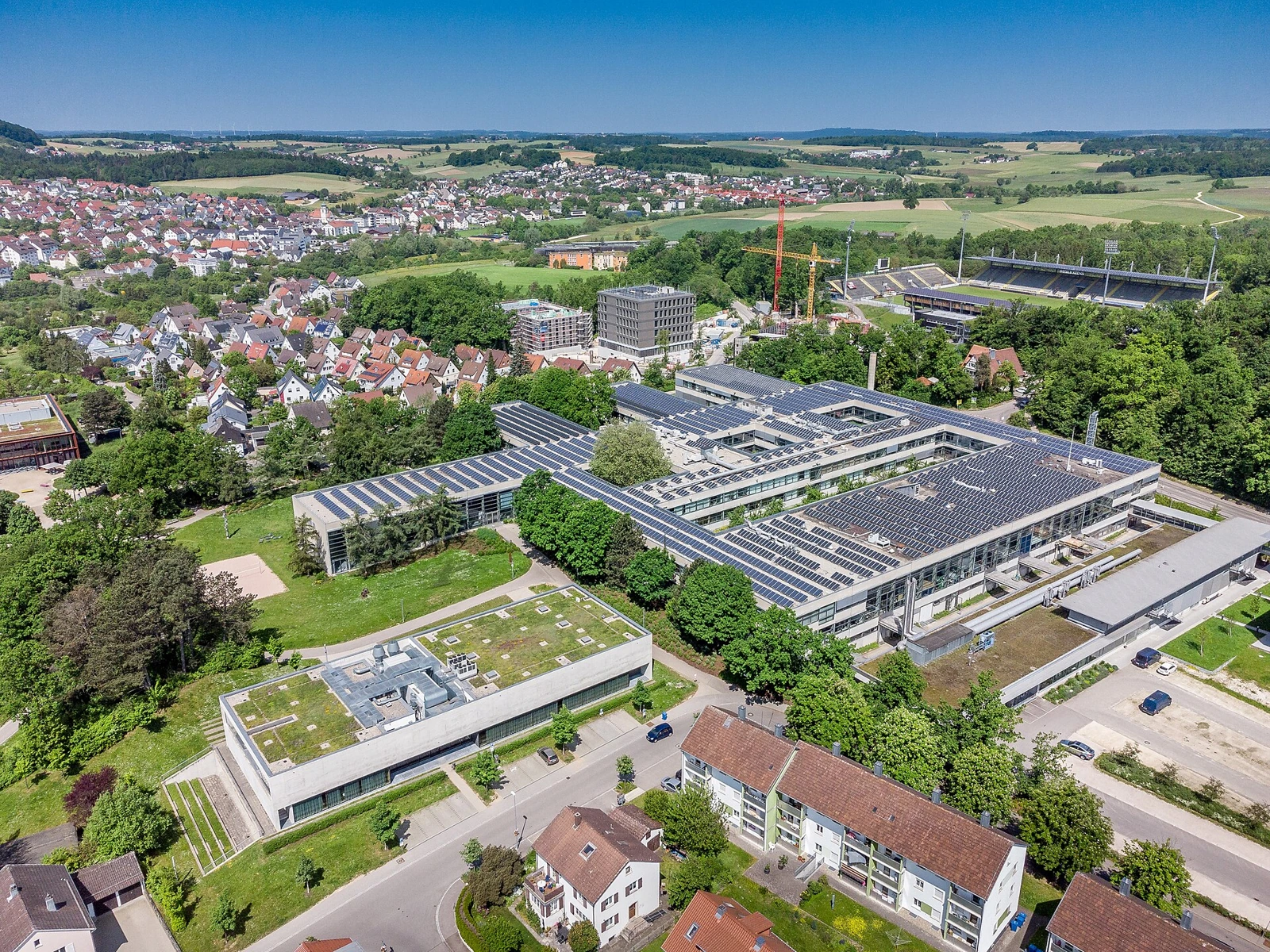
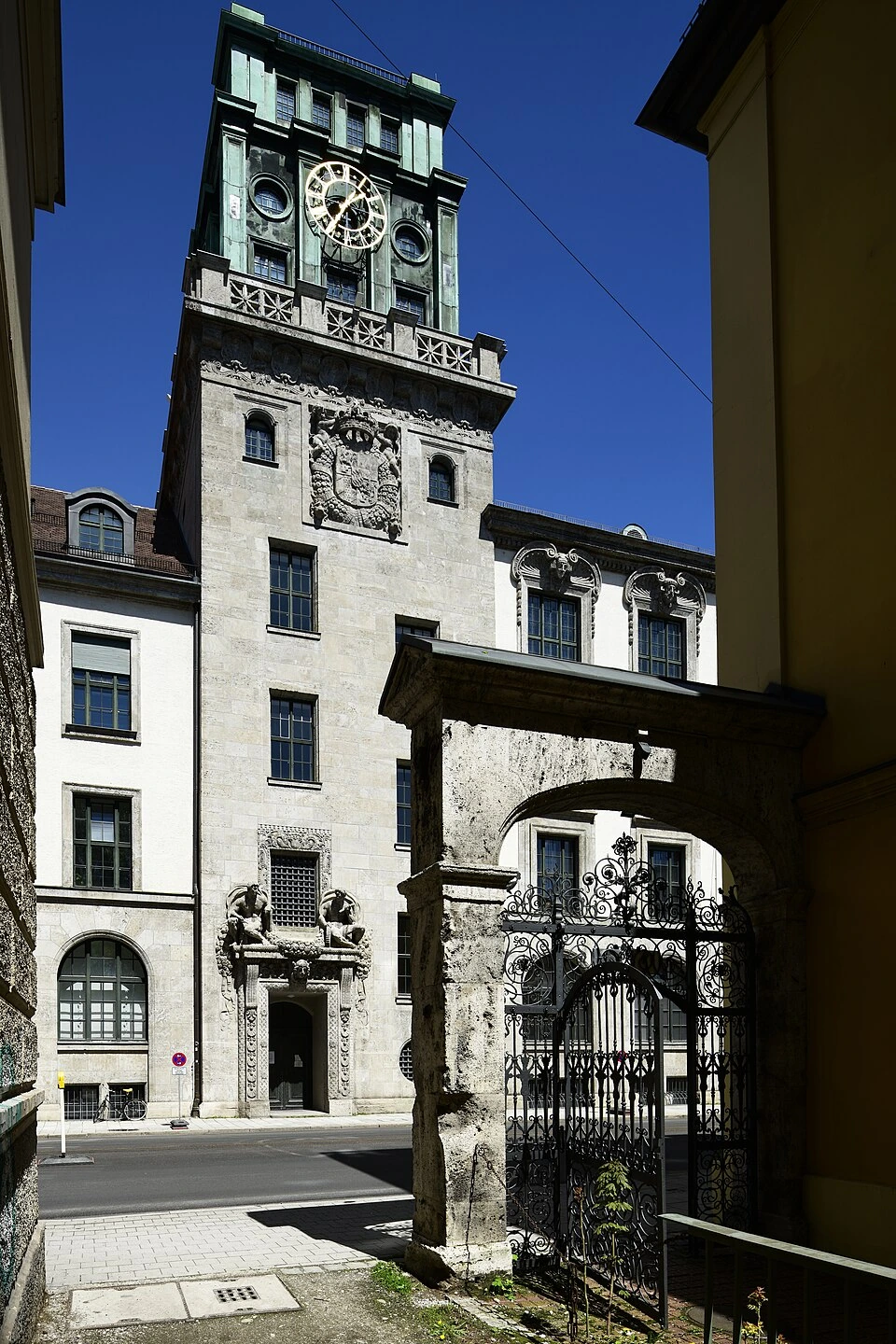
Engineering & Tech
Career-led
Public Options
All ten of Germany's highest-ranked universities in the QS World University Rankings 2027 are public. Most of them charge no general tuition. The exceptions: Heidelberg and KIT, both in Baden-Württemberg, charge non-EU students €1,500 per semester, and TUM also charges tuition to non-EU students.










Every public university and university of applied sciences in Germany, grouped by state, in one PDF.

Every public institution in Germany in one list, sorted by state. The QS 2027 top 10 are marked, with notes where non-EU students pay tuition.
 Download Full List of Public Universities
Private Options
Private universities rarely appear in global rankings, so this is not a ranking. These are established, state-recognized private universities that award their own German degrees. They charge tuition, and we always recommend public universities first.













“What should I ask before I pay a private university? " Is my degree awarded by you, as a German state-recognized degree, or by a foreign partner university?" Many private institutions that advertise to Indian and Gulf students award a foreign partner's degree while you study in Germany
Every state-recognized private and church-run institution in Germany, in one PDF.

All 129 state-recognized private and church-run institutions, including private universities of applied sciences, with city, state, and what to check before you pay.
 Download Full List of Private Universities
TU9 Alliance
The TU9 is the alliance of nine leading technical universities in Germany. All nine are public, and they are strong choices for engineering, technology, and computer science.




Should I apply only to TU9 universities? No. Competition for TU9 engineering and computer science seats is tough. Spread your applications across other public universities and universities of applied sciences.
One PDF covering all nine TU9 universities, their cities, and their non-EU fees.
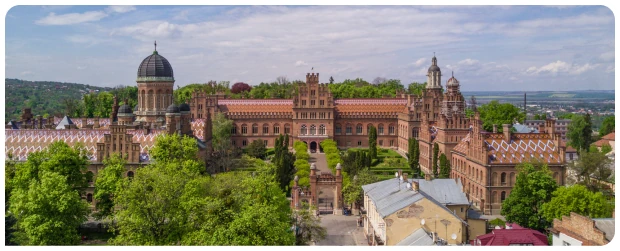
See what each TU9 university is known for, and where non-EU students pay fees.
 Download TU9 Universities List
Full Guide
Public, private, TU, or FH? Find the universities that suit your profile before shortlisting.
Step 4 · Do I Need to Learn German?
Wherever you study, language decides how far your degree takes you.
Even if you're studying entirely in English, German still matters, for side jobs, internships, and eventually, that first real job offer. It's worth starting early too, since getting from scratch to B2 takes months of genuinely steady practice.
Sit in on one demo class. Our in-house course covers A1 to B1 with native teachers, and after one session you’ll know our style and the level you need.
STEP 5 · WHEN SHOULD I APPLY?
Route chosen, shortlist made, German underway? Now let's talk timing.
Winter intake is where you'll find the widest range of programs. Just remember, each university sets its own deadline, so your course page is the real source of truth, not general timelines. And honestly, it's worth starting to plan 12 to 18 months ahead.

Short answer: Plan on 12–18 months from your first session to landing in Germany.
Going from zero to B2 in German takes several months of steady study, and you'll do it alongside school and everything else.
Applications, results, the blocked account, and visa appointment availability all add time, and each depends on bodies outside our control.
Starting one intake early is the single most useful thing you will do.
APS verification takes several weeks, and longer during peak season.
STEP 6 · HOW DO I APPLY?
Here is how those months turn into an application, from checking your route to enrolling in Germany.

Direct entry, Studienkolleg, Master's, or medicine, decided by your qualification.

Public First. Anabin Verified. Profile Aligned.

The APS for Indian qualifications, plus language certificates.

Through the university portal or uni-assist, before the deadline.

Blocked account, health insurance, and the national study visa.

Anmeldung, residence permit, and university enrollment.
Full Guide
Portals, uni-assist, documents, and deadlines, step by step, so nothing gets missed.

Short answer: Plan on 12–18 months from your first session to landing in Germany.
Going from zero to B2 in German takes several months of steady study, and you’ll do it alongside school and everything else.
APS verification takes several weeks, and longer during peak season.
Applications, results, the blocked account, and visa appointment availability all add time, and each depends on bodies outside our control.
Starting one intake early is the single most useful thing you will do.
Step 7 · How Much Will It Cost?
An admission letter comes with enrollment costs. Here is what to budget, including the proof of funds your visa needs.
These are university, government, and living costs in Germany, not AAV's service fee, which is shown separately in your local currency.
Interactive tool
Full Guide
Rent, insurance, semester fees and the blocked account. Plan your real monthly number
Read moreFull Guide
DAAD, Deutschlandstipendium and more. See which ones fit your profile.
Read moreStep 8 · What Documents Do I Need?
With admission and funds sorted, only the student visa stands between you and your flight.
Coming from outside the EU? You'll apply for a national study visa. Here are the main documents you’ll prepare:
The German mission handling your application sets the final list, so check it point by point before your appointment.
Your official offer from a recognized German university.
It must meet the requirements of the German mission handling your application.
Required for applicants with academic documents from India, China, and Vietnam.
A blocked account of €11,904 for one year (the 2026 amount) or another accepted form of financial proof.
Your cover has to be valid from the date you travel.
The English or German certificate your program asks for.
All your previous certificates and mark sheets, with certified translations where needed.
TestAS where your Bachelor’s program asks for it, and the dMAT for Indian Master’s applicants from the Summer Semester 2027 intake.
Our Visa Support
The right documents are the first step. Before your application reaches the German mission, we run six checks with you.
The embassy or immigration authority decides visas, not AAV. We prepare the strongest possible application.
Every required document, checked before you submit.
Your blocked account, set up correctly before you apply.
Your course choice and career reasoning, in your own words.
Verification and university recognition, confirmed early.
Your VFS or German mission appointment, reviewed with you.
Mock interviews so you answer clearly and consistently.
Full Guide
Documents, appointment and interview, plus the mistakes that cost students weeks.
After Graduation
The degree is the start. Here is what it opens up once you graduate.
Job Search
18 Months to Find Work
A residence permit to find qualified employment in your field.
Salary
€55,000–€70,000 a Year
Approximate gross range after a Bachelor's or Master's; it depends on field, city, and German level.
Residence
EU Blue Card and Settlement
A settlement permit after around 21 months (Blue Card) or 2 years of skilled work.
Citizenship
From 5 Years
Of lawful residence. The three-year fast track was abolished in October 2025.
Full Guide
Werkstudent jobs, the 18-month job search and the Blue Card. Plan the career, not just the degree.

Short answer: In some cases, yes, through a family reunion visa. It is a separate application from your student visa, with its own requirements.
Family reunion has its own financial and housing requirements, which vary by case.
Plan it alongside your studies, not after, so your finances cover both
Full Guide
Amratpal A Vision handles family reunion and spouse visas too. See what your family needs.
Read moreUse Our Tools
You have seen all eight steps. Now get your own answers before you speak to us: four quick tools, with results to bring to your session.
For Class 12 students

Studienkolleg Eligibility Tool
Answer four short questions and see whether you enter a Bachelor's directly or need Studienkolleg first.
What I get: My route and my focus course
For Bachelor's and Master's

German Grade Calculator
Enter your Class XII or degree marks and see them on the German grading scale universities use.
What I get: My marks as a German grade
For Indian degree holders

dMAT Eligibility Tool
Check whether the dMAT is part of your APS documents for a Master's from the Summer Semester 2027 intake.
What I get: A clear yes or no for my degree
For families planning finance

Education Loan EMI Calculator
Enter a loan amount, interest rate, and term, and see the monthly EMI before you speak to a bank.
What I get: My monthly EMI
PAID BY YOU, NOT BY UNIVERSITIES
Plan every step yourself if you prefer. If you want someone to plan it with you, here is how we work and who pays us. Most consultancies work for universities. We work for families. Our fee is the only money we earn, so our advice is built around your profile, not around who pays us. Many consultants stop at the easy cases. We're one of the largest pathway providers in the industry, so we take on the tough files too and dig into every detail. Studienkolleg, Bachelor's, Master's, or Medicine, we help with all of it.
University commissions
Offices: Ahmedabad, Dubai and Berlin
German universities visited by our team
German classes, taught in-house
This compares two business models, not any named company. Universities decide admission and embassies decide visas; no consultancy is in a position to promise either.
Talk to a counsellor about your marks, subjects, and budget, and get a clear next step.
We call you back between 9:30 AM and 6:30 PM IST, Monday to Saturday.
In 2010, I left India to study Environmental and Resource Management at BTU Cottbus.
FOUNDER · FIRST-HAND GERMANY EXPERIENCE

I trusted the wrong consultant first and paid for it. Amratpal A Vision is the consultancy I wish had existed when I was eighteen. My team and I have visited more than 50 German universities, and we meet our students on the ground in Germany.
Amratpal Singh Sohal · Founder & Director
Memoranda of Understanding
We have an MoU with each institution below. That doesn't mean they admit you automatically. Each one still sets its own requirements and makes its own decision. It doesn't change our advice either: we recommend what fits your profile, MoU or not.
Berlin
Aachen
Saarbrücken
Paderborn
Recognition from institutions and industry bodies we work with in international education.
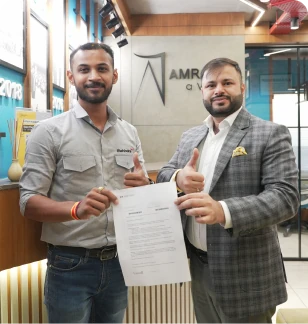 2025
ICEF
Industry accreditation for international student recruitment agencies.
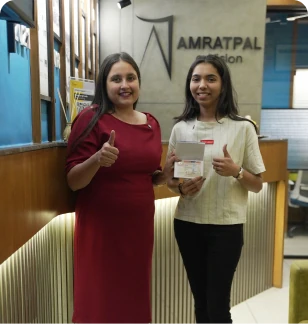 2025
Studienkolleg Paderborn
Award from the Internationales Studienkolleg at the University of Paderborn.
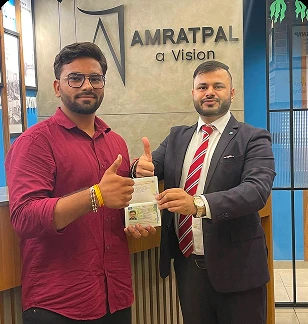 2025
FH Aachen University of Applied Sciences
Accreditation for the Freshman Institute's English-taught foundation year.
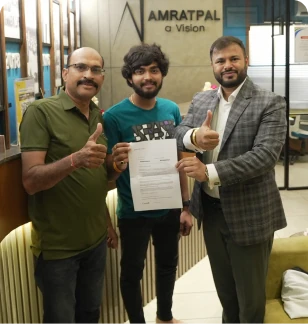 2024
ISM – International School of Management
Recognition from ISM Germany.
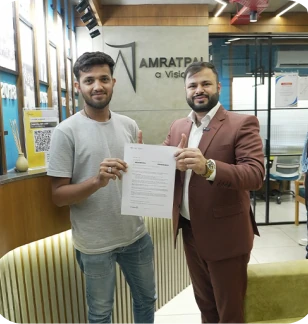 2024
Expatrio
Recognition for supporting students relocating to Germany.
Smart. Safe. Scientific.
We are one of the largest pathway providers in the industry, and complex cases do not scare us. We work harder to help you secure your future, and because we work for families, not universities, our German shortlist stays honest. Public First. Anabin Verified. Profile Aligned.
COMMON QUESTIONS
Mostly, yes, at public universities. The exceptions are Baden-Württemberg, where non-EU students pay €1,500 a semester, and TUM. You still pay a semester contribution and your living costs.
You've really got four paths to choose from: Studienkolleg, a Bachelor's, a Master's, or Human Medicine, which most people just call MBBS. And which one you start with comes down entirely to the certificate you're already holding.
Technically, Germany doesn't have an MBBS, instead, public universities teach Human Medicine, entirely in German. It takes 6 years and 3 months, wrapping up with the State Examination. You'll need excellent grades and C1-level German to get there, and most international students start out through the Studienkolleg M-Kurs.
If you're going for an English-taught program, yes. But step outside the classroom, and German starts to matter, for daily life, side jobs, and getting hired once you graduate. And a couple of routes, Studienkolleg and Human Medicine, are German-only; no way around it.
Only if your program requires it; each one sets its own accepted tests and scores.
APS verifies certificates from India, China, and Vietnam. Indian students need it at both Bachelor's and Master's level, so start early.
The dMAT (digital Master Test) is an aptitude test run by g.a.s.t. From the Summer Semester 2027 Master's intake, it is part of the APS documents for Indian applicants whose Bachelor's is in certain subject groups. It is not pass/fail, and it does not replace Anabin recognition.
€11,904 for one year, the amount in force in 2026. Once you arrive, you receive €992 a month.
Yes, within your residence permit: up to 140 full days or 280 half days a year.
No, and no honest consultancy does. Universities decide admission and the embassy decides the visa. We commit to the strongest possible application.
Because the ones that charge nothing are paid by universities, per student placed. You pay ours. That is why we tell you when your marks are short, or when a university on your list isn't worth the money.
Ahmedabad, Dubai and Berlin
German universities visited by our team
Taught by our own team, from A1 to B1
Our founder moved there in 2010
You pay us, not the universities
The case for Germany
Rankings
TUM, LMU Munich, Heidelberg and Freie Universität Berlin (QS ranking).
Cost
A few charge fees: Baden-Württemberg (€1,500 per semester for non-EU students) and TUM.
Work
You can work up to 140 full days or 280 half days a year.
After graduation
After you graduate, you get up to 18 months to find a job in your field. You can work during this time.
Step 1 · Your route
Your route depends on one thing: the certificate you have right now.
Route 1
Your school certificate is not enough to start a Bachelor's. So you do a short prep course first (Studienkolleg).
Route 2
You have A-Levels, the full IB Diploma or a similar certificate. You skip the prep course.
Route 3
Germany has no MBBS. You study Human Medicine in German. It is very hard to get a seat.
Route 4
You already have a Bachelor's degree. Your old subjects decide which Master's courses you can choose.
We are paid by you, not by universities
We work for families. Our fee is the only money we earn. So our advice is about what is best for you.
Swipe to compare. This compares two ways of working, not any named company.
Visa help
Before you apply, we do 6 checks with you.
The embassy decides visas, not AAV. We make your application as strong as possible.
We check every document before you submit.
We help you open your blocked account (proof of money) the right way.
We check your course choice and your reasons, in your own words.
We check your APS certificate and university recognition early.
We help with your VFS or embassy appointment.
Mock interviews, so you can answer clearly and with confidence.
In 2010, I left India to study Environmental and Resource Management at BTU Cottbus.
Meet the founder
I trusted the wrong consultant first, and I paid for it. Amratpal A Vision is the consultancy I wish I had when I was 18.
Amratpal Singh Sohal · Founder and Director
Use our tools
Try these 4 quick tools. Bring the results to your session.
For Class 12 students
Find your route and your course.
For Bachelor's and Master's
Turn your marks into a German grade.
For Indian degree holders
Get a clear yes or no.
For families planning money
See your monthly loan payment before you talk to a bank.
Common questions
Mostly yes, at public universities. But Baden-Württemberg charges non-EU students €1,500 per semester, and TUM also charges. You still pay a small semester fee and your living costs.
€11,904 for one year (the 2026 amount). After you arrive, you can take €992 each month.
Yes. You can work up to 140 full days or 280 half days a year.
No, and no honest consultancy can. Universities decide admission and the embassy decides the visa. We make your application as strong as possible.
Free consultancies are paid by universities for each student they send. You pay us, so we can tell you the truth. If your marks are low, or a university is not worth the money, we will say so.
Smart. Safe. Scientific.
Talk to a counsellor about your marks, subjects and budget. You will get a clear next step.